
130 YEARS OF TRANSFORMATIVE PHILANTHROPY
How giving has shaped the campus and intellectual life at the London School of Economics and Political Science.
INTRODUCTION
LSE opened its doors in 1895 with three rooms, 200 students, and a vision for “a community of people and ideas, founded to know the causes of things, for the betterment of society”.
Today, we are one of the world’s foremost universities, known for our Nobel Prize winners and world leaders (of which we have 21 and more than 40, respectively). But LSE is so much more than that: it is, in fact, a global network of teachers, entrepreneurs, public servants, industry leaders, and changemakers.
Many alumni, partners and friends have played their part in making LSE what it is today. As we celebrate our 130th anniversary this academic year, we want to showcase some – and by no means all – of the outstanding individuals and organisations whose support has shaped LSE.
In this piece, we focus on the impact on campus life of physical infrastructure, highlighting some of the landmark initiatives that have made our campus what it is today. One of my mantras is, ‘space is programme.’ To get the most from brilliant faculty and bright young minds we need spaces suited for the kind of teaching and research and collaborating they do. The days when all you needed was a desk and maybe a blackboard are long past. Today’s programmes call for new forms of working, new technologies, and new ways of teaming up and working in groups. Space is programme because programmes cannot achieve, innovate, or solve problems without it.
Throughout our history, philanthropy has been key to providing that space: reinvigorating our campus and helping improve our ability to achieve. In just the last ten years, we have acquired and renovated a whole series of landmark buildings. Supported by the generosity of our community, we have created a vibrant ‘university quarter’ right in the heart of central London — a campus worthy of our global standing. New spaces include the Centre Building, the Marshall Building, and the award-winning Saw Swee Hock Student Centre, not to mention ongoing renovations and upgrades across much of the rest of the campus. Taken together, the new campus has transformed the student experience, fostered a lively campus life, and facilitated a wide range of innovative research and public events.
But there’s more happening and more still to do. We need more space for classrooms, for study and research, and for new and growing programmes. And not just any space: we need innovative spaces that mirror and enable what’s special about LSE. LSE is a place that encourages people not just to think, but to think differently and for themselves. As I like to say, forget about inside the box versus outside the box thinking: LSE is a place where people are outside the box and thinking. We need spaces designed, in the best traditions of our School, to encourage people to think and act differently and to break through received wisdom, conventional boundaries, and limiting assumptions.
To that end, we were able last year to acquire 61 Aldwych — a new space that, if we can convert it as needed, will be transformative in both catalysing new thinking and opening up our work to the public realm. We’ll need the help of our generous community, but with that help, we can create the future.
We remain incredibly grateful to you all, as well as excited about what more we can achieve together in the years ahead.
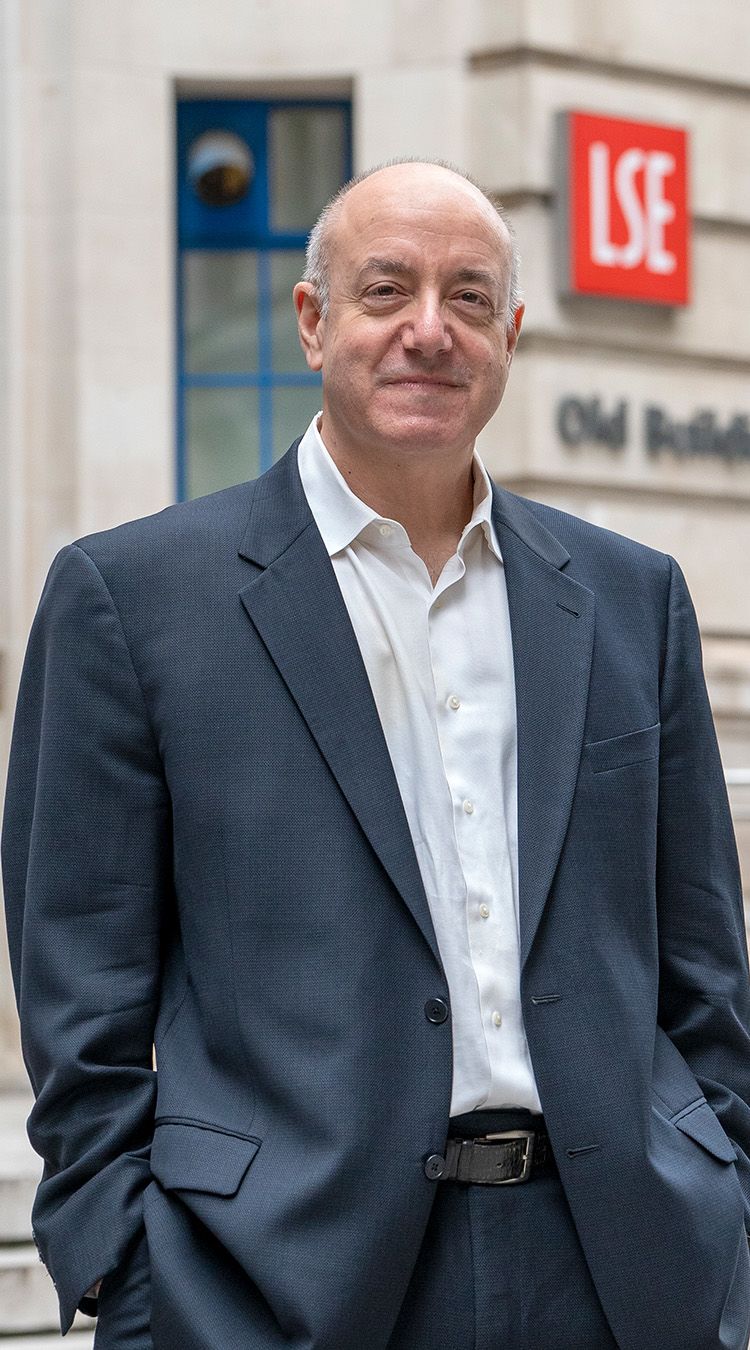
Professor Larry Kramer
President and Vice Chancellor


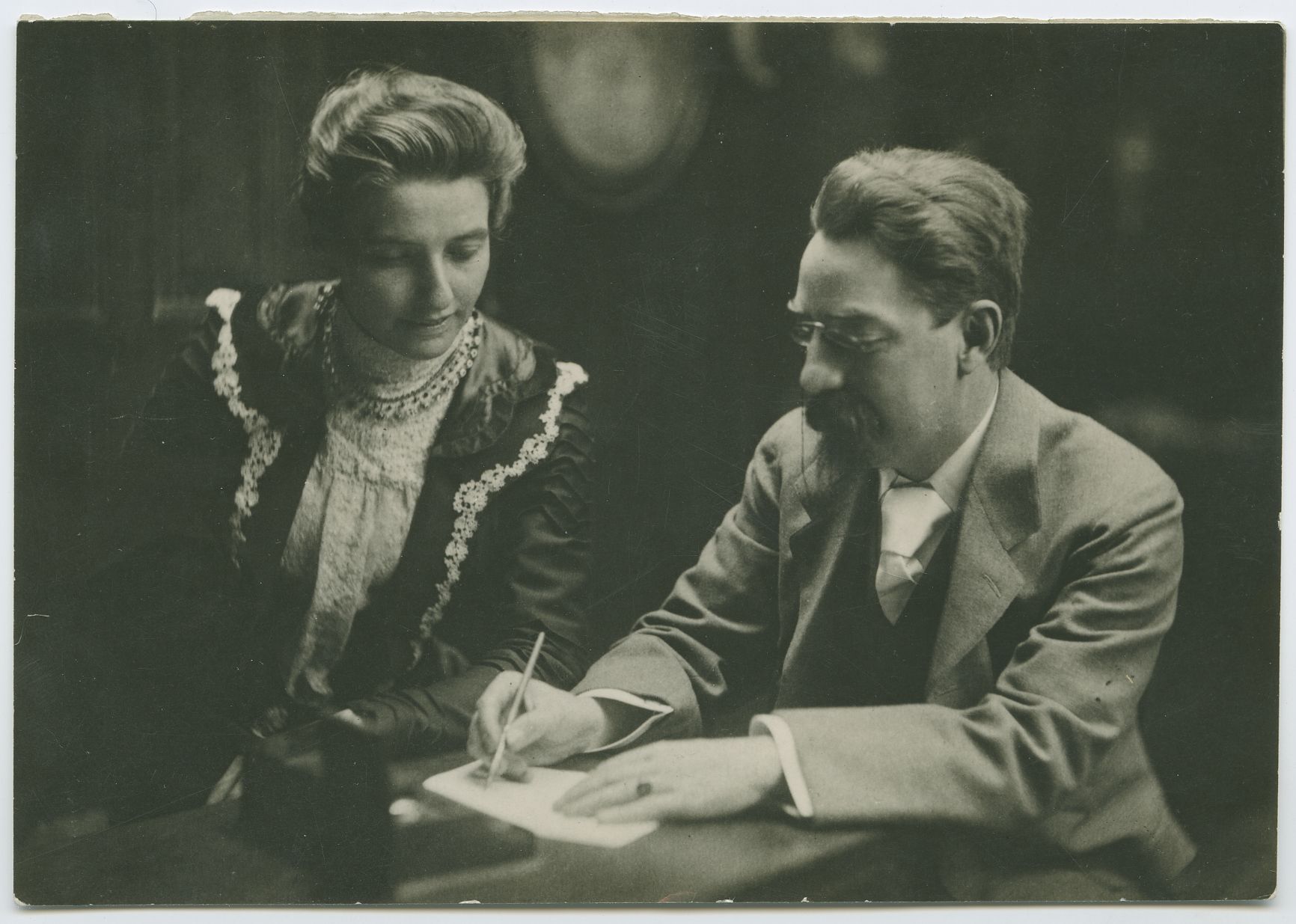
Beatrice and Sidney Webb, c.1895.
Beatrice and Sidney Webb, c.1895.
1895
The gift that founded a School
Henry Hunt Hutchinson’s £20,000 bequest to the Fabian Society laid the foundation for the creation of LSE. His gift enabled Beatrice and Sidney Webb and George Bernard Shaw to establish a new kind of institution dedicated to understanding and improving society.
Philanthropy has been at the heart of the School ever since.
"The special aim of the School will be, from the first, the study and investigation of the concrete facts of industrial life and the actual working of economic and political relations as they exist or have existed, in the United Kingdom and in foreign countries."
1910s
1912
Philanthropy shaping social policy
Industrialist Sir Ratan Tata’s early support enabled pioneering research on poverty and inequality, leading to the formation of what became the Department of Social Policy at LSE.
His philanthropy also helped cement the School’s longstanding ties with India and South Asia, home to more than 5,000 LSE alumni today. This early gift set the tone for the School’s enduring commitment to understanding and tackling inequality.
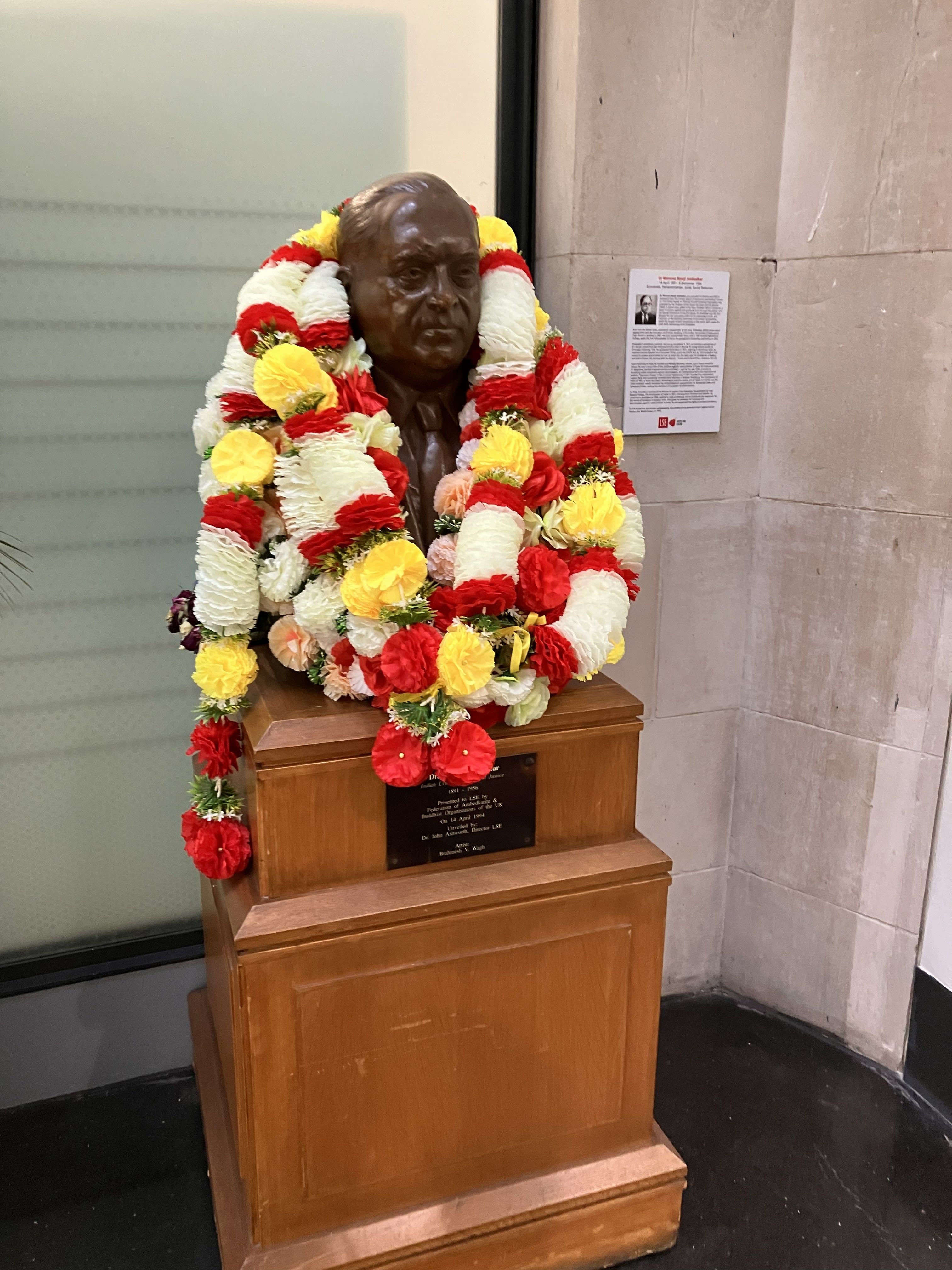

Dr Bhimrao R Ambedkar, an LSE alumnus, was a famous economist, social reformer and political leader, as well as the principal architect of the Constitution of India. This magnificent bust of Ambedkar was donated to the School in 1994 and remains on campus today to celebrate his legacy.
Dr Bhimrao R Ambedkar, an LSE alumnus, was a famous economist, social reformer and political leader, as well as the principal architect of the Constitution of India. This magnificent bust of Ambedkar was donated to the School in 1994 and remains on campus today to celebrate his legacy.
1920s

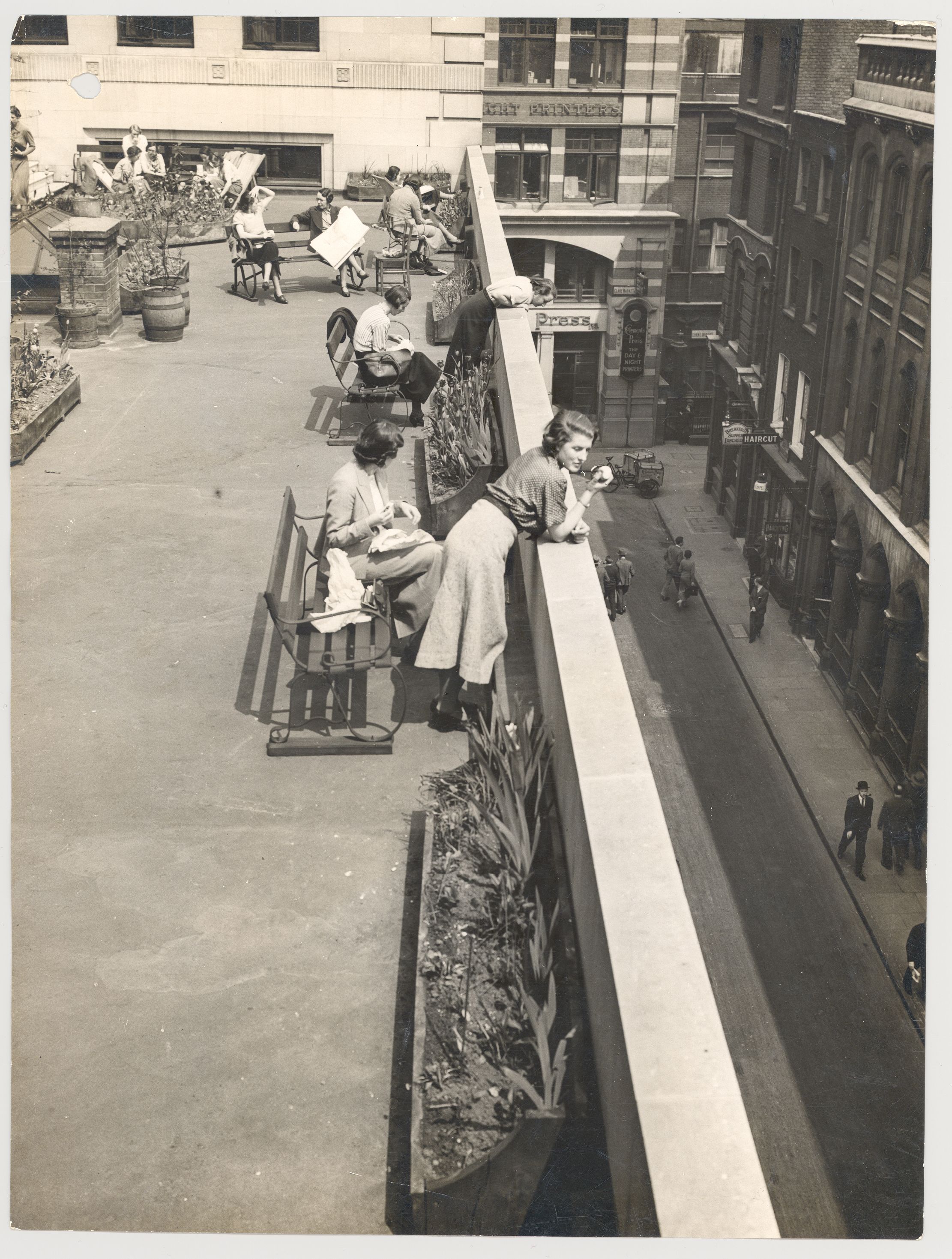
The Old Building roof terrace in the 1940s. A grant from the Rockefellers helped support the redevelopment of Houghton St, initiated by LSE Director William Beveridge.
The Old Building roof terrace in the 1940s. A grant from the Rockefellers helped support the redevelopment of Houghton St, initiated by LSE Director William Beveridge.
1926
A transatlantic partnership that transformed LSE’s future
Substantial support from the Rockefeller family in the USA in the 1920s strengthened LSE’s academic disciplines and international outlook, funding endowed chairs and revitalising the School after the First World War.
The Rockefeller relationship helped position LSE as a global leader in the social sciences. It was a partnership that spanned generations and is symbolic both of the outstanding generosity of LSE’s United States community and a deep connection with the country that remains as strong as ever today.
1930s
1932
Supporting the rise of International Relations at LSE
Sir Montague Burton was a Lithuanian Jew who fled to Britain in 1900 to escape the Russian pogroms and went on to build a hugely successful tailoring business in the UK.
His philanthropic support of LSE from the 1930s onwards supported teaching in international relations and later provided funding for graduate study in the field.
His contribution helped shape LSE’s influential Department of International Relations, dedicated to building the critical cross-nation understanding and negotiation skills the world critically needs.
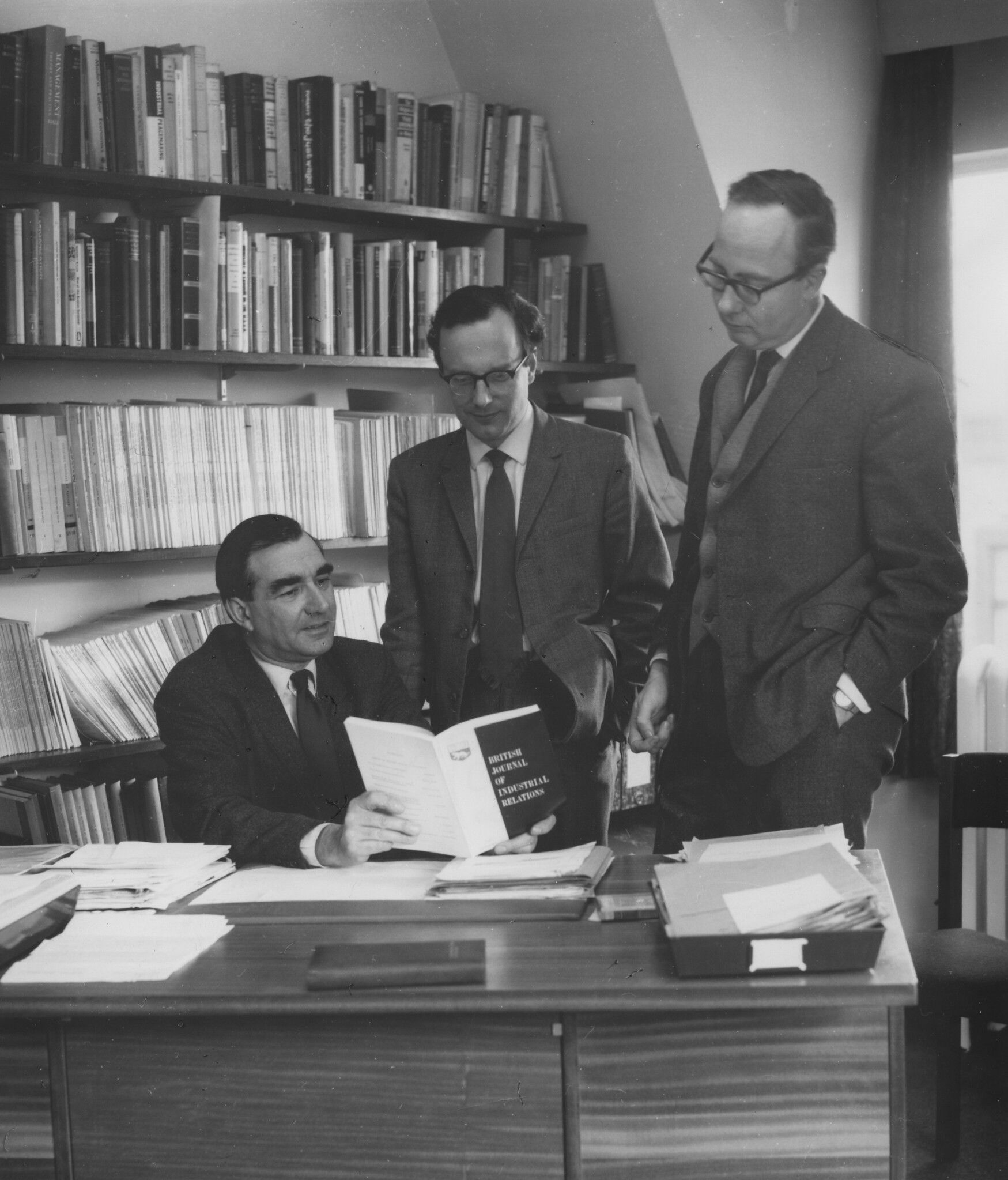

IR department, 1968.
IR department, 1968.

Students in the Shaw Library, 1964.
Students in the Shaw Library, 1964.
1946
A quiet gift that built a beloved space on campus
Women philanthropists have always been integral to LSE since it was founded. Charlotte Shaw’s generosity in 1940, for example, created a much-needed communal library for LSE staff and students.
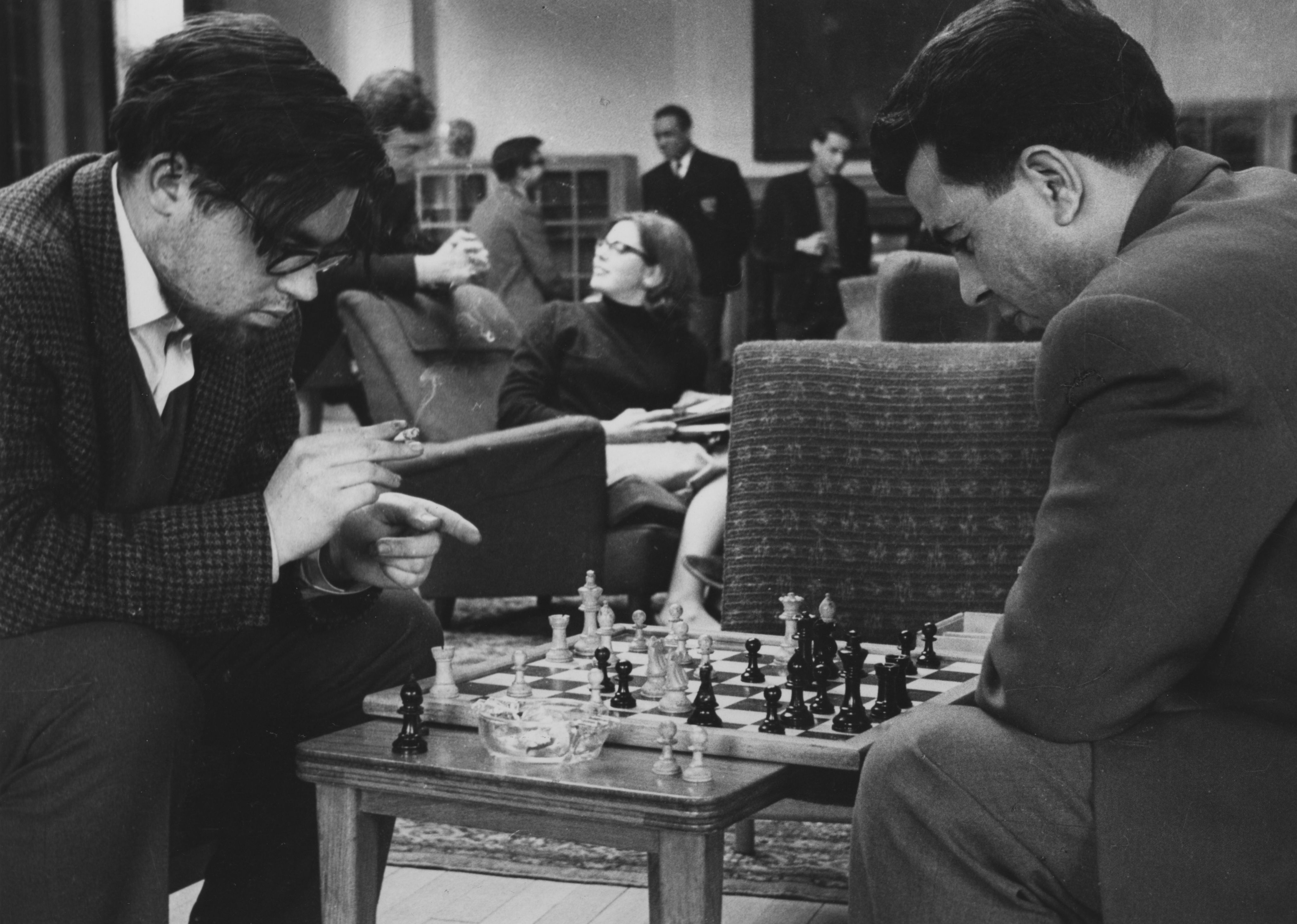
The Shaw Library is no longer used as a library space but continues to be one of the most iconic rooms on campus, playing host to a wide range of LSE events. It’s home to the famous Fabian Window, designed by George Bernard Shaw to commemorate the role of the Fabian Society in LSE’s creation.
It also features a donor board that celebrates the exceptional generosity of the President’s Circle, a group of supporters who have played a transformational role in LSE’s development.
1970s
1972
Our global community coming together for LSE
The Lionel Robbins Library Appeal in 1972 brought together alumni from across the world to support the purchase and transformation of Strand House, a former WH Smith warehouse, into the LSE Library.
Led by influential economist Lionel Robbins, the campaign reflected the strength of the School’s global community. The Library that bears his name remains a symbol of outstanding LSE scholarship and collective generosity.
And the power of alumni giving was in full force again in 2025, when our 2,700-strong Malaysian alumni community joined together to support the Malaysia Auditorium in the Centre Building, unveiled by the Malaysian Prime Minister, Anwar Ibrahim.
In 2025, the Prime Minister of Malaysia Anwar Ibrahim (left) visited LSE to officially open the School's Malaysia Auditorium in Centre Building, funded through the collective generosity of the LSE Alumni Society of Malaysia.
In 2025, the Prime Minister of Malaysia Anwar Ibrahim (left) visited LSE to officially open the School's Malaysia Auditorium in Centre Building, funded through the collective generosity of the LSE Alumni Society of Malaysia.

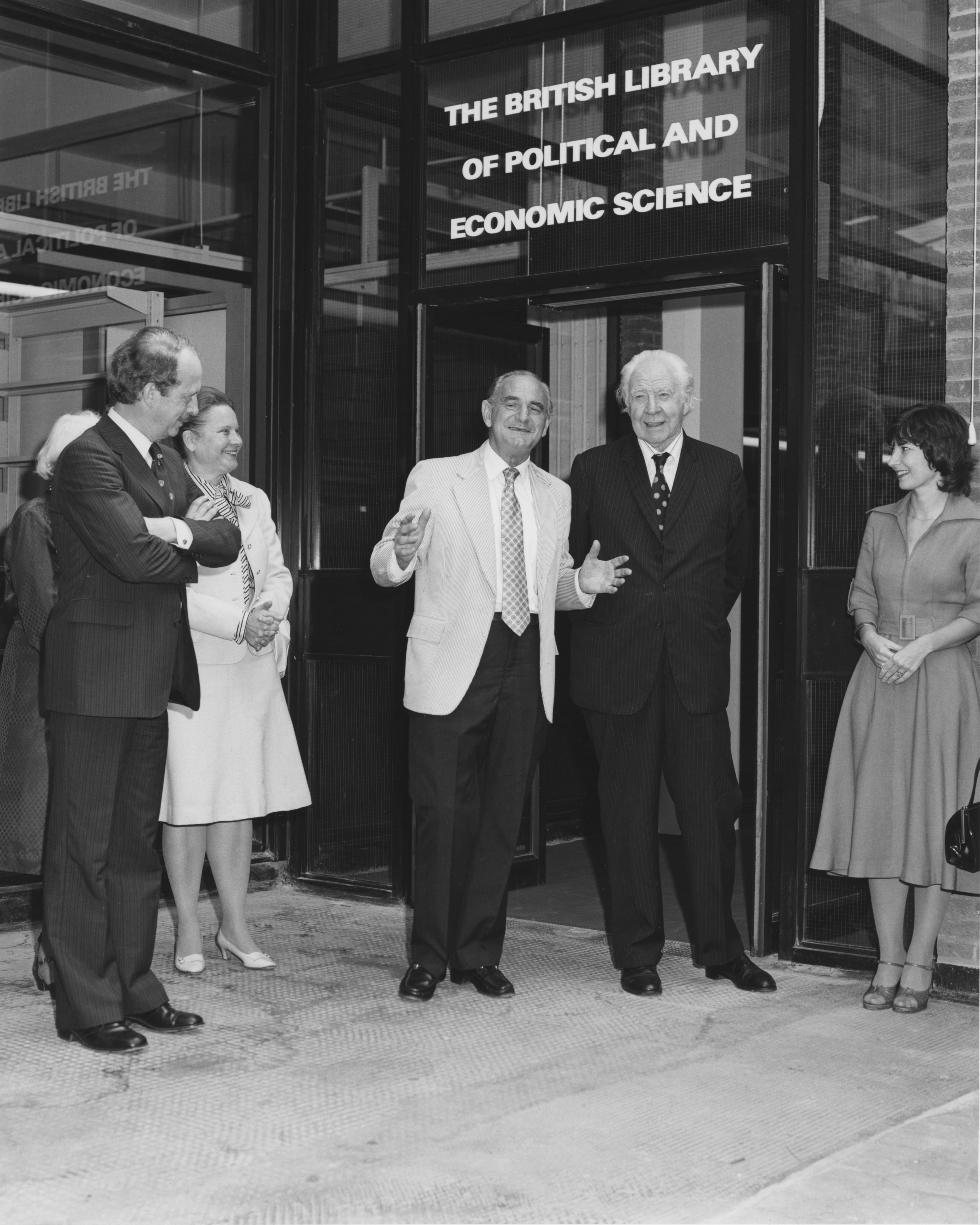
Naming of the Lionel Robbins building, 1978, left to right: Professor Dahrendorf, Professor Charlotte Erickson, Huw Wheldon, Lord Robbins, Ms Elaine Brown.
Naming of the Lionel Robbins building, 1978, left to right: Professor Dahrendorf, Professor Charlotte Erickson, Huw Wheldon, Lord Robbins, Ms Elaine Brown.

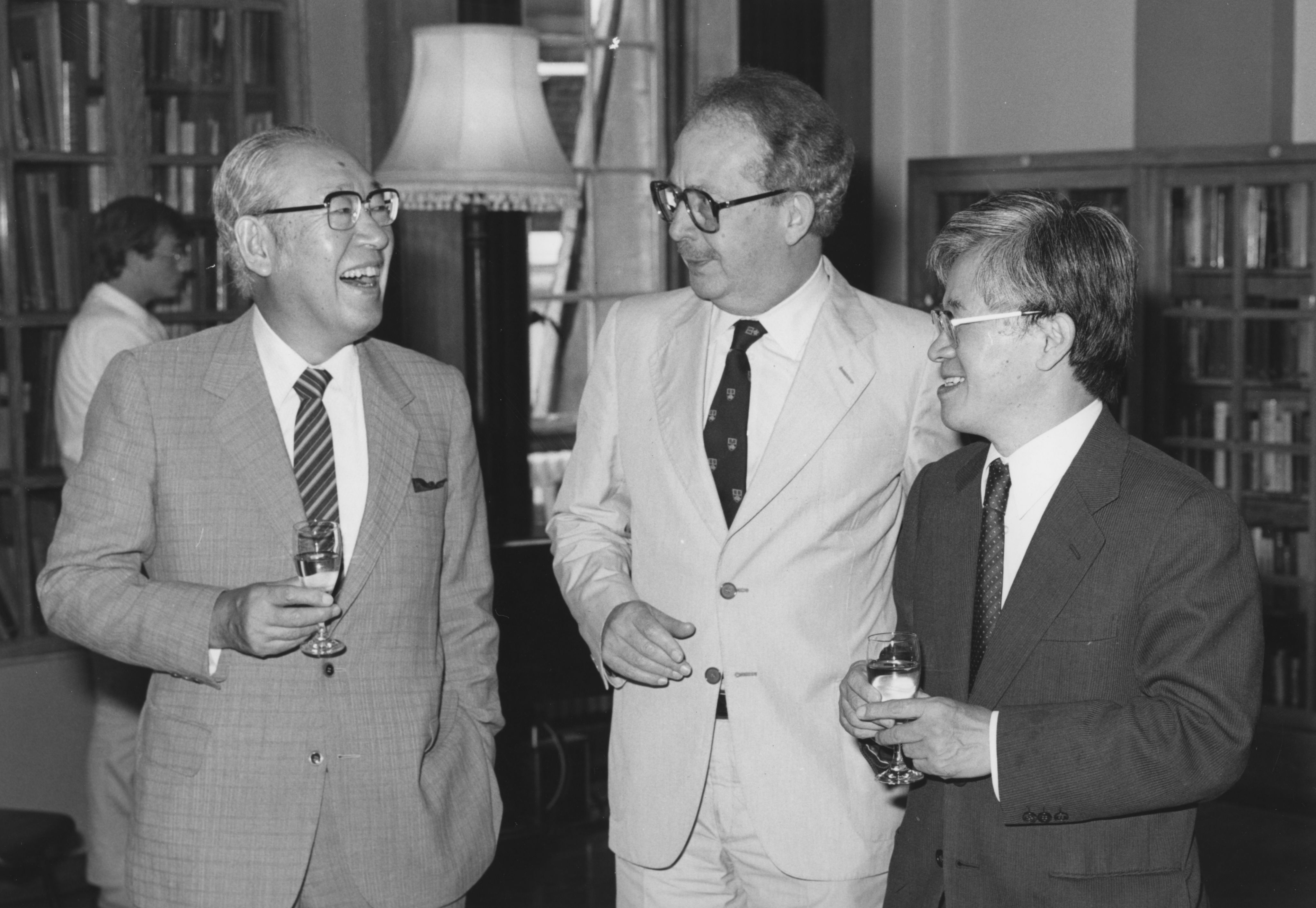
Mr Keizo Saji (President of Suntory), Professor Dahrendorf, Professor Morishima (Founding Chairman, STICERD) at the ceremony celebrating the creation of STICERD in 1984.
Mr Keizo Saji (President of Suntory), Professor Dahrendorf, Professor Morishima (Founding Chairman, STICERD) at the ceremony celebrating the creation of STICERD in 1984.
1978
An enduring vision for economic innovation
The creation of the Suntory and Toyota International Centres for Economic and Related Disciplines (STICERD) in 1978, funded by Suntory and Toyota, marked a major investment in innovative economic research. The Centre has since become a global leader in economic thought and interdisciplinary policy analysis.
Suntory and Toyota’s foresight laid the foundations for another transformational gift in 2024 from the Open Society Foundations, which is enabling STICERD to deliver a major initiative – the Programme for Cohesive Capitalism – focused on envisioning an economy that works for all.
1980s
2000s
2010s
2014
Redefining the student experience
The RIBA‑award‑winning and Stirling Prize‑nominated Saw Swee Hock Student Centre, opened in 2014, was the first new building on LSE’s campus in four decades.
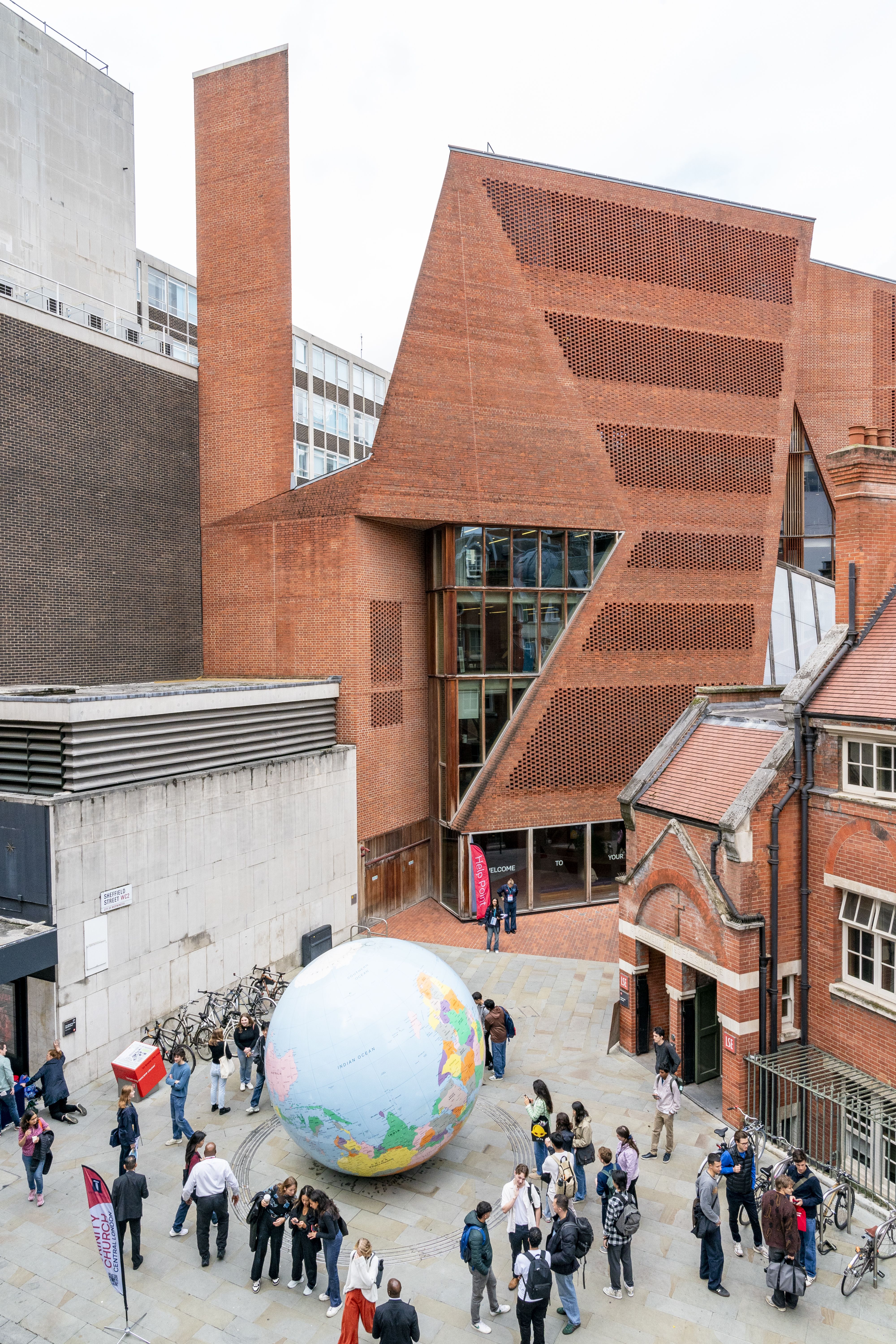
It was named in recognition of a landmark gift from Professor Saw Swee Hock, the distinguished academic, philanthropist and LSE alumnus. His generosity helped shape a new era of student life on campus and inspired further support, including from LSE alumnus David Beecken (MSc Economics 1970) and his wife Kitty, who went on to establish the Beecken Faith and Leadership Programme in the Faith Centre, one of the building’s key residents. This flagship initiative prepares the next generation of leaders to contribute to a more peaceful global society.
The Desert Room in the Faith Centre features beautiful stained glass by Sir Christopher Le Brun PRA, made possible through gifts made to the School in memory of LSE alumnus Mburu Kiereini.
The Desert Room in the Faith Centre features beautiful stained glass by Sir Christopher Le Brun PRA, made possible through gifts made to the School in memory of LSE alumnus Mburu Kiereini.

The Saw Swee Hock Student Centre today.
The Saw Swee Hock Student Centre today.
2015
Dynamic spaces powering groundbreaking work
Sir Paul Marshall gave a transformational gift in 2015 towards the creation of the Marshall Building. In addition to the Marshall Institute, its 12 storeys contain teaching and learning spaces, lecture theatres and convening spaces, as well as an impressive breadth of creative and sports facilities to enrich the LSE experience for students and staff.
It is also home to the Jeremy Coller Centre for Animal Sentience. Launched in 2025 and made possible by terrific support from the Jeremy Coller Foundation, the Centre aims to improve our understanding of animal feelings and the impact of human actions, policies and behaviour on the animal world.
2016
Advancing global understanding of inequalities
A visionary award from The Atlantic Philanthropies in 2016 created the Atlantic Fellows for Social and Economic Equity programme, backed by a historic £64 million, 20-year gift which was the School’s largest ever at that time. The visionary programme brings together policymakers, activists and movement builders from around the world to explore and challenge the root causes of inequality.
Our partnership with Atlantic Philanthropies evolved in 2019 with the inauguration of the Amartya Sen Chair in Inequality Studies, a role designed to lead and grow the work of LSE’s International Inequalities Institute, dedicated to researching and addressing inequality across the world.
A 2024 event celebrating the impact and legacy of Chuck Feeney, the founder of Atlantic Philanthropies.
A 2024 event celebrating the impact and legacy of Chuck Feeney, the founder of Atlantic Philanthropies.

The International Inequalities Institute celebrated its 10th anniversary in 2025.
The International Inequalities Institute celebrated its 10th anniversary in 2025.

The Centre Building
The Centre Building
2019
Building on decades of support for learning and innovation
The Centre Building, a state‑of‑the‑art building designed by the award‑winning practice Rogers Stirk Harbour + Partners and completed in 2019, provides a modern and highly flexible home for teaching, research and collaboration.
Among the many supporters who helped bring it to life, the Wolfson Foundation funded a suite of teaching and learning spaces within the building. Our relationship with the Foundation dates back to 1972, and they have been pivotal partners in several of our most ambitious capital projects, including creating the Wolfson Theatre in the Cheng Kin Ku Building and funding a new Data Visualisation Studio in the forthcoming Firoz Lalji Global Hub.
2020
2023
A gift to strengthen LSE’s future
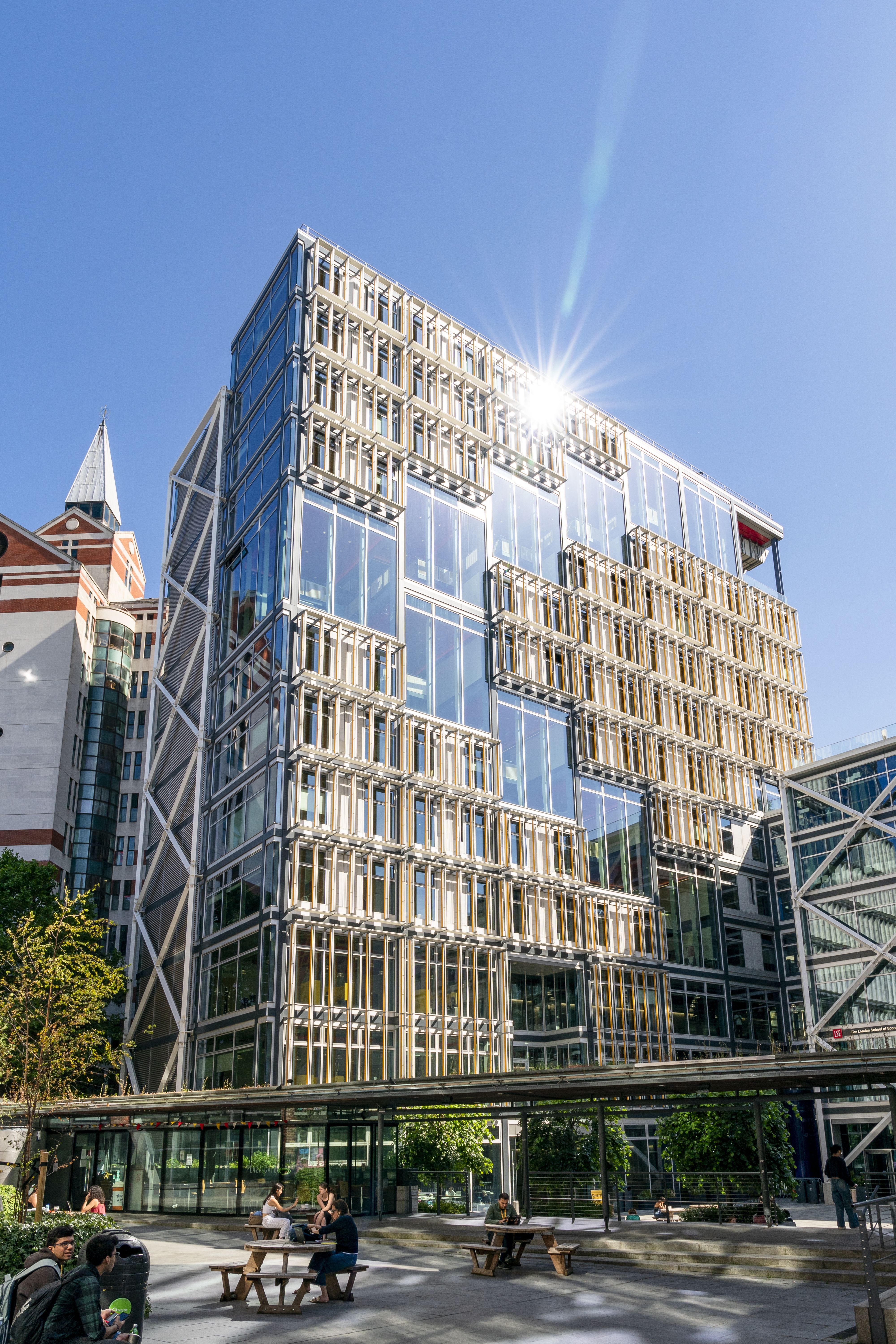
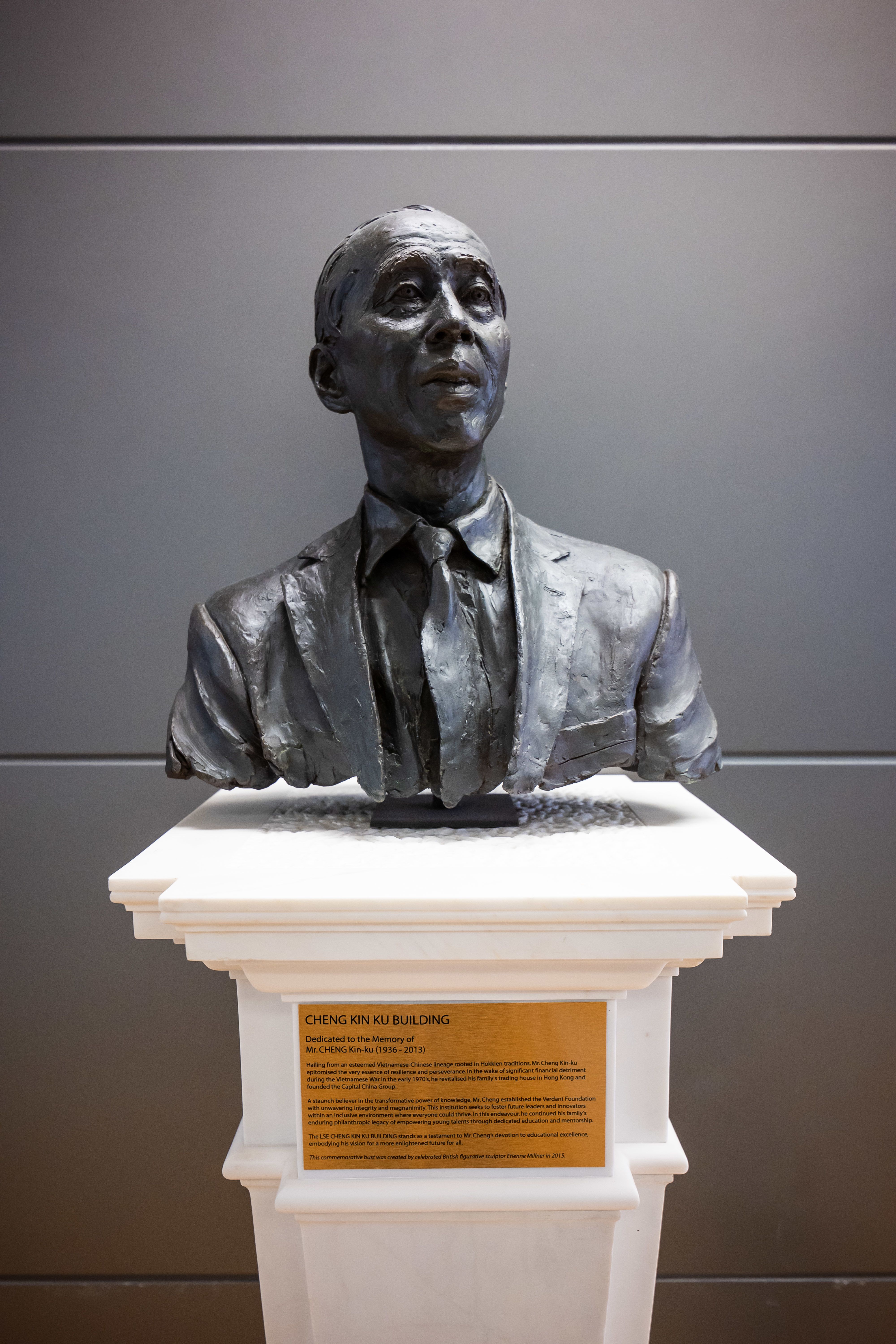
In 2023, alumnus and longstanding benefactor Vincent Cheng (BSc Economics 1993) made a transformational commitment to LSE’s permanent endowment through the Verdant Foundation. He also supported the redevelopment of the New Academic Building on Lincoln’s Inn Fields in 2006 and so, in recognition of his outstanding generosity, we renamed the building in honour of his father, Cheng Kin Ku, celebrating a powerful philanthropic family legacy.
“I hope this gift will help to create a sustainable future for LSE in the same way that LSE made an enormous contribution to my future.”
The Cheng Kin Ku Building today.
The Cheng Kin Ku Building today.

A bronze bust honouring Vincent Cheng’s father, Cheng Kin Ku, was specially commissioned to be displayed prominently in the entrance hall of the building.
A bronze bust honouring Vincent Cheng’s father, Cheng Kin Ku, was specially commissioned to be displayed prominently in the entrance hall of the building.

LSE's Director of Estates Julian Robinson (left) with Firoz Lalji (right) on a walk through of the Global Hub during construction.
LSE's Director of Estates Julian Robinson (left) with Firoz Lalji (right) on a walk through of the Global Hub during construction.
2024
Bringing the world together in London and online
Firoz Lalji (BSc Economics 1969) is an alumnus and longstanding partner of LSE. In 2024, he pledged lead support towards the renovation of the Firoz Lalji Global Hub at 35 Lincoln’s Inn Fields.
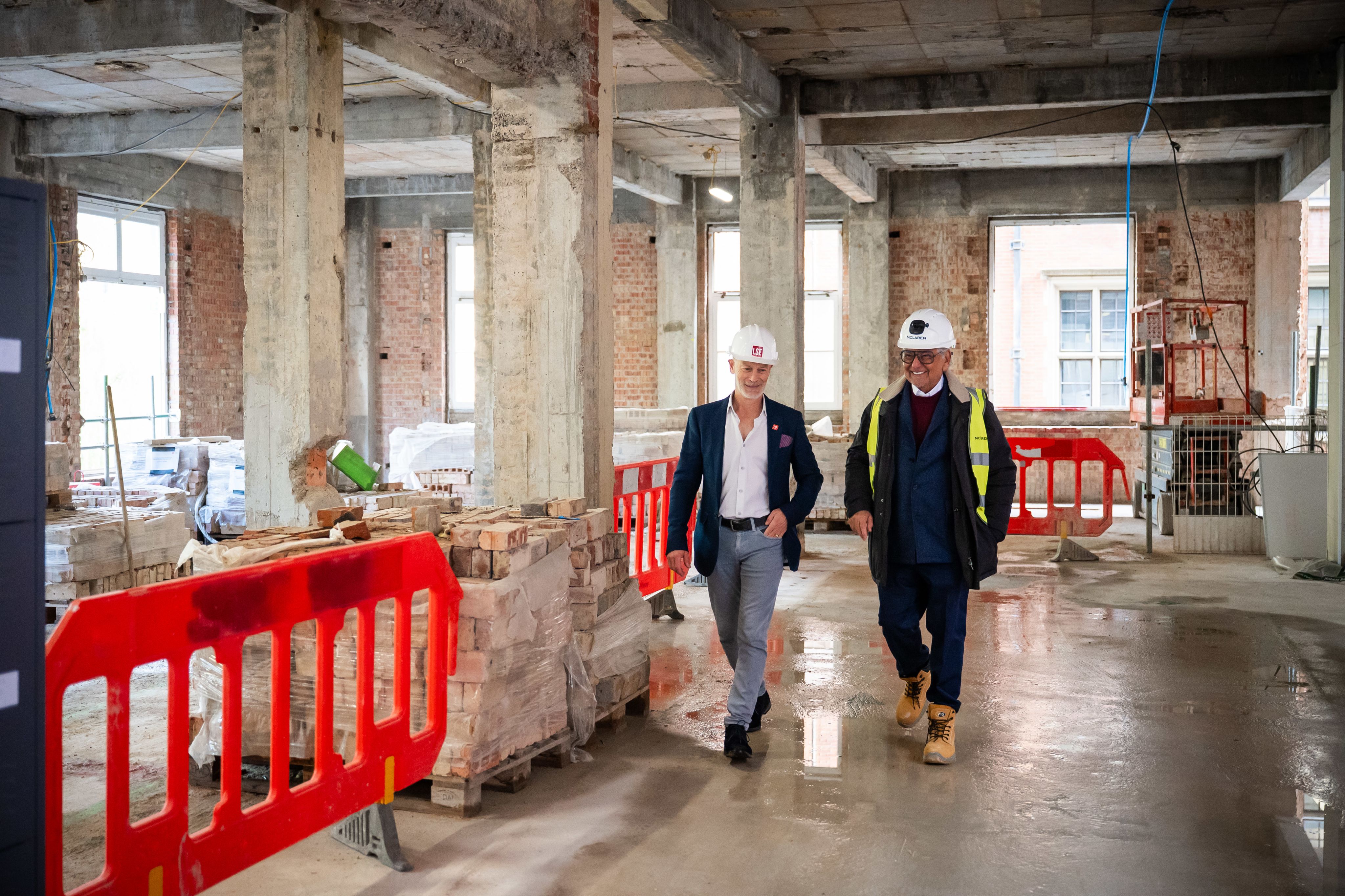
This state-of-the-art space – LSE's most sustainable building to date – will create new opportunities for research, teaching and collaboration, and enhance our world-leading events programme. It will also provide a new home for LSE's Firoz Lalji Institute for Africa, the Departments of Maths and Statistics, the Data Science Institute and Executive Education and Lifelong Learning.
2025
PHILANTHROPY SHAPING A BRIGHTER FUTURE FOR ALL
Larry Kramer joined LSE as President in 2024. In his inaugural lecture, he outlined five major challenges facing the social sciences today, spanning democracy, political economy, sustainability, inequality and future technologies. Philanthropy is once again proving to be a catalyst for ambitious interdisciplinary programmes designed to accelerate LSE’s impact and bring the full strength of the social sciences to bear on these pressing issues.
Building a more sustainable, resilient and inclusive world
2025 saw the launch of the new Global School of Sustainability (GSoS), thanks to a visionary gift from LSE alumnus and greentech entrepreneur Lei Zhang (MSc Operational Research 2002).
This flagship initiative is designed to capitalise on LSE’s interdisciplinary strengths to address urgent challenges.
"I believe that social policy innovation is critical for us to collectively reach net zero. The Global School of Sustainability will accelerate and advance research in this area to foster a greener and more responsible world."
Professor Lord Nicholas Stern and Lei Zhang, co-founders of GSoS, at an LSE event in 2024.
Professor Lord Nicholas Stern and Lei Zhang, co-founders of GSoS, at an LSE event in 2024.
GSoS will find a new home in 61 Aldwych, the latest building to be acquired by LSE in 2025. A fundraising campaign is underway to transform this building and unlock extraordinary new opportunities for teaching, learning and public engagement across the School.
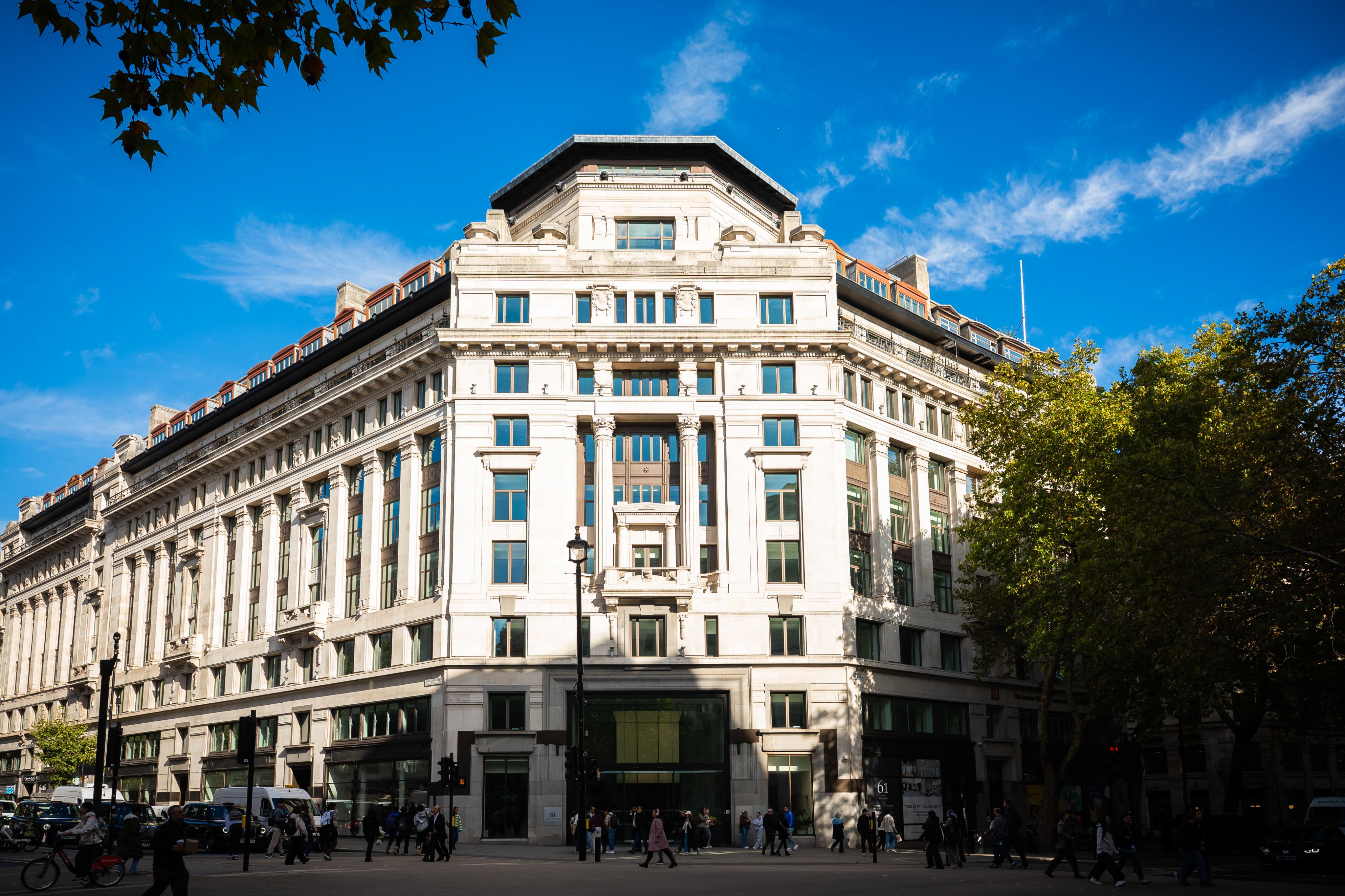

61 Aldwych, which will house GSoS once renovations are completed.
61 Aldwych, which will house GSoS once renovations are completed.
Supporting a new vision for markets, society and the state
In early 2026 we announced a new partnership with Johannes Huth (BSc Economics 1984), LSE alumnus and member of the School’s governing Council.
His generous support is enabling the launch of the Huth Initiative for a New Political Economy, a five‑year programme dedicated to developing a new economic paradigm and generating fresh thinking about the goals of our society and the ways in which markets, civil society and government can work together to achieve them.
"I am proud to support LSE in its mission to develop new economic thinking that addresses the challenges of our time. The Initiative is about bringing together the best minds across different disciplines to develop and shape a new economic paradigm that appropriately addresses the issues of today."
CREATIVITY ON CAMPUS
Alongside establishing many of the buildings on our campus, philanthropy has made possible partnerships with extraordinary artists.
Artworks on campus enrich the School environment, prompting moments of reflection and creativity that inspire our community every day.
“I have been inspired by LSE’s ambition to create a world class campus. I hope these works will, in turn, inspire current and future generations at LSE to continue shaping the world.”
World Turned Upside Down
by Mark Wallinger (2019)
Mark Wallinger’s inverted four-metre globe encourages viewers to literally and metaphorically reconsider familiar worldviews by shifting the global orientation. The artwork reflects LSE’s ethos of questioning assumptions and examining challenges from new perspectives.
Its commission was generously supported by a gift from LSE alumnus Brian Smith (BSc Economics 1963), alongside donations from additional LSE alumni and friends.
Baby Tembo
by Derrick Hudson (2005)
Created by sculptor Derrick Stephan Hudson, Baby Tembo arrived on campus in 2005 as a joyful bronze depiction of a young elephant intended to spark curiosity and connection.
The sculpture embodies themes of care and protection, mirroring Hudson’s aim to inspire empathy for animals. It was one of eleven donated to the School by LSE alumnus Louis Odette, who had a great interest in sculpture.
LSE Penguin
by Yolanda Vandergaast (2005)
Yolanda Vandergaast’s Penguin, like Baby Tembo, was one of the eleven sculptures donated to LSE by Louis Odette, a Canadian alumnus who came to study at the School in October 1945 while still serving in the Canadian forces.
Penguin, which was first installed in 2005 and reinstalled in 2009 after the original was stolen, brings a playful and much-loved character to LSE’s public spaces. Its presence celebrates the lighter, communal side of campus life.
Spectra
by Tod Hansen (2020/2021)
Tod Hanson’s five-storey mural Spectra draws on the historic Booth Poverty Maps - held in LSE Library’s archives - to visually connect the School’s present campus to the social realities of nineteenth century London.
Combining cartographic memory with a bold data-inspired design, the work explores how evidence, research and visual storytelling shape our understanding of inequality and urban life.
The commission of this extraordinary piece of art was made possible by alumnus Mario Francescotti (BSc Economics 1981), an LSE Benefactor and emeritus governor.
Chorus of Ripples
by He Yang and Wu Sixin (2023)
Designed by emerging artists He Yang and Wu Sixin, Chorus of Ripples uses mirrored shards and a central pool to evoke the idea that individual actions, like raindrops, collectively shape the world.
Created in memory of Dr Mayling Birney, the installation symbolises reflection, legacy giving and the ongoing impact of philanthropy across generations. It serves as a tribute to those who have left a gift to LSE in their will.
SHAPING THE WORLD NEEDS YOU
From a single legacy gift in 1895 to transformative investments shaping our future, philanthropy has been central to LSE’s story. The School, our campus and indeed this area of London have undergone many changes over the decades and so we have taken some artistic liberty with the maps and visualisations in this feature. Whilst we cannot reflect all the developments over the School’s history, these stories highlight just some of the many donors and philanthropic partners – across generations – who have helped create the spaces, ideas and global impact the School is known for today.
Every gift has helped LSE fulfil its vision to shape the world by understanding the causes of things for the betterment of society. If you would like to be part of our story in the next 130 years, we would be delighted to welcome you into our community of supporters.
Please visit https://shapingtheworld.lse.ac.uk/ to find out more.
 Built with Shorthand